Toon Crash: A Clear Guide to the Card Game
Toon Crash on 29jl
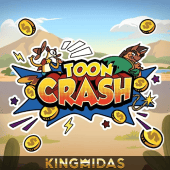
Toon Crash is a cards game in the 29jl collection, presented here with a quick explanation of what to expect and how to approach a session. Review the rules shown in the game before choosing whether to play.
This Toon Crash Demo guide focuses on round steps, familiar terms, and measured decisions—not promises or guaranteed outcomes. Set a limit before you begin, then keep play within it.
Open Toon Crash Explore 29jl GamesMore Card Games

Looking for a change of pace? These related titles are available from the 29jl games collection. Each uses its own interface and rules, so check the on-screen information before joining a round.
What Is Toon Crash?
Toon Crash belongs to the cards category. The name identifies the game, but the exact round options, card handling, and displayed result information should always be confirmed in the live game instructions. This page is an introduction rather than a substitute for those rules.
In a card game, a round generally presents a defined choice, processes the selected action, and then shows a result. Toon Crash's own screen is the authority for the available choices and any limits. Take a moment to read each label and understand what a selection does before confirming it.
If you are comparing titles, Wild Ace offers another option in the broader 29jl collection. The games differ in format, so choose based on the rules you understand and the time you have available, not on assumptions that a result can be predicted.
A Toon Crash Demo walkthrough is most useful when it helps you recognize the layout and sequence. It cannot forecast a future result. Treat every round as independent unless the game's displayed rules state otherwise, and never interpret a short run of outcomes as proof of a pattern. Players who enjoy a different visual style can also explore Gummy Giga Match in the 29jl collection.
Round Flow: From Entry to Result
1. Read the table information
Before entering a round, scan the available instructions, minimum and maximum values, and any controls presented on screen. Confirm that the game is Toon Crash and that you know how to return to the main lobby. If a rule or button is unclear, pause rather than guessing.
2. Choose a comfortable level
Decide on a session limit before making a selection. Use only an amount you can afford to lose, and do not increase it to recover a previous result. A small, pre-set limit makes it easier to keep the session intentional and to stop when planned.
3. Make a selection and confirm
Use the controls that Toon Crash actually displays. Check the selected option and value carefully, then confirm only when both match your intention. If the game offers a preview or a confirmation step, use it to avoid an accidental action.
4. Let the round resolve
Wait for the game to complete its displayed process. Avoid pressing controls repeatedly while an animation or result is loading. Once the round finishes, review the result summary and the balance or session information shown by the interface.
5. Decide whether to continue
Take a brief pause after each round. Continue only if you are still within your planned limit and feel comfortable with the next step. A result—positive or negative—does not make the next outcome certain. Close the game when your time or budget limit is reached.
These steps describe a cautious way to navigate a game session, not a claim about hidden mechanics. The specific order, wording, and available actions can depend on the current game interface. Follow the rules displayed inside Toon Crash whenever they provide more precise instructions.
Game Achievements and Session Goals
Players often use the word “achievement” to describe a personal milestone, such as learning the controls, completing a short session within a set time, or remembering to stop at a planned limit. These goals are under your control and do not depend on a particular card result.
Toon Crash may display account or game progress features as part of its current interface. Check the information shown in the game for the actual conditions, availability, and any qualification rules. Do not assume that a badge, reward, or progress counter exists unless the game clearly displays it.
A useful personal checklist can be simple: understand the instructions, choose a session budget, take breaks, and finish when you said you would. If you are exploring several titles, you can also compare interfaces and learn where each game shows its rules and round history.
For information about the platform's membership area, see the 29jl VIP program. Membership details and eligibility can change; review the current terms on that page and inside your account before relying on any benefit. Participation is optional and does not improve the certainty of game outcomes.
Keep milestones realistic and focused on good habits rather than winnings. A disciplined session can still have an unfavorable result, and no achievement label changes the underlying uncertainty of a card game.
Practical Winning Tips
Understand the rules first
Read the rules in Toon Crash before taking an action. Identify what each control means, how a round begins and ends, and where the game displays a result. If the explanation is incomplete or confusing, do not proceed until you understand the choice in front of you.
Set boundaries in advance
Choose both a spending limit and a time limit before you start. Keep those limits separate from your everyday needs and never borrow to continue playing. When either limit is reached, end the session rather than renegotiating it in the moment.
Do not chase a result
There is no reliable way to force a favorable result by raising a stake after a loss or by repeating a choice after a win. Avoid chasing losses and avoid treating a streak as a signal. Each decision should be based on the posted rules and the limit you already set.
Keep the session clear-headed
Play only when you are calm and able to make deliberate choices. Take breaks, avoid multitasking during a round, and stop if frustration or fatigue begins to affect your decisions. A demo or practice view, if the game offers one, can help you learn controls, but does not guarantee future results.
Use account tools thoughtfully
If the platform provides deposit limits, time reminders, or self-exclusion tools, consider setting them before playing. Keep credentials private and use the official account interface for any account-related action. If playing no longer feels enjoyable or manageable, step away and seek appropriate support.
These are risk-management suggestions, not a winning system. A Toon Crash Demo can help a new player become familiar with a screen, while the rules and chance involved still determine how a round resolves. Never treat a guide as a promise of profit.
Key Takeaways
- Toon Crash is listed as a cards game in the 29jl collection; confirm the current rules in the game itself.
- Learn the controls and review all displayed round information before confirming a choice.
- Decide on a time and spending limit before you begin, and stop when either one is reached.
- Past outcomes do not guarantee what will happen next; avoid chasing losses or relying on perceived streaks.
- Use a demo or practice option only for familiarization if it is available in the game interface.
- Take breaks and keep play separate from essential expenses and other financial commitments.
- Check current platform and membership terms directly; features and eligibility can change.
In short, the best preparation for Toon Crash is knowing the rules and deciding your boundaries in advance. A careful approach can make the session easier to manage, though it cannot control the result of a game.
Toon Crash Terms Explained
Round
A round is one complete sequence of play, from the point a game accepts an action to the point it displays the result and becomes ready for another sequence. The exact start and end signals are defined by the game's interface.
Selection
A selection is the option a player chooses using the available controls. Always verify what the selection represents, whether it can be changed, and what confirmation is required before submitting it.
Stake or play amount
This is the value associated with an action when a game requests one. The available range and any relevant conditions should be visible in the game. Set an overall spending limit separately; the amount for one action is not the same as a safe session budget.
Result
The result is the outcome displayed after a round resolves. Review the game's summary rather than inferring meaning from animations or earlier rounds. A result does not predict the next one.
Demo
A demo or practice mode, when offered, is a way to become familiar with a game's controls without treating practice outcomes as a forecast. Its availability and conditions are determined by the game and may differ from a regular session.
Session limit
A session limit is a personal boundary for time, spending, or both. It is decided before play and is useful only when you honor it. Choose a limit that protects essential expenses and stop once it is reached.
Play with a Plan
Ready to explore Toon Crash? Review the in-game instructions, confirm your limits, and choose whether the session suits you. You can also return to the game collection whenever you want a different format.
Continue to 29jlKeep play recreational and take a break whenever you need one.